Weekly Grocery Shopping On A Budget In 2026
Weekly grocery shopping on a budget can feel different when you walk into the supermarket without a clear plan. Ever been to the supermarket and come out with eighty dollars in your pocket, but nothing that you would consider an unnecessary purchase, when you came in with a forty dollar budget? It happens to nearly everyone and it’s typically not due to poor choices in the store. It’s because there wasn’t a real plan before you walked in. The secret to being a successful budget-conscious shopper is not to be hard on yourself in the aisles, but to determine what you need before you pick up a cart.
You’ll discover how to create a realistic weekly grocery budget, how to shop smart without spending hours planning meals, and how to budget food shopping while still enjoying your meals. If you’ve already read our article on budgeting tricks, then this is the grocery version of that concept, the one category that most people overspend on without realizing it.
Before we begin, here are a few things to remember
- The best way to determine the weekly grocery budget is to use the amount that you spent last month, not a guess.
- When you shop with a list, you will avoid most accidental overspending since you will be focused on what you already have in your kitchen.
- It’s better to purchase what is on sale and plan meals around it than to pursue specific recipes.
- It’s easier to stick to the grocery budget when you know how much you have to spend.
- Small habits, such as eating before shopping, can still make a difference in minimizing impulse buying.
The Truth about Weekly Grocery Shopping On A Budget
Budgeting for weekly grocery shopping means limiting how much you spend on groceries each week and then going out and purchasing items based on that limit, instead of buying items first and then seeing how much you spent. The idea is not to purchase the lowest priced food item each time, but to know your number before you walk in, so that the register total is never a surprise.
Why is it that grocery prices are so unpredictable?
Grocery costs are so unpredictable primarily because most people don’t make a list that is based on a specific dollar amount, so each additional item seems insignificant at the time of purchase but adds up quickly by the time you get to the checkout counter. A grocery shopping budget resolves this problem by providing a specific amount to spend rather than a general idea of spending less.
How to make a realistic Weekly Grocery Budget
Let’s take a look at the process of creating a weekly food budget that is realistic.
Step 1: Review the past 3 months of food purchases. Look at your bank or card statements and calculate the average amount you’ve spent on food over the past few months, as it can be misleading to do it on a single month’s worth of receipts, if you went on a big stock up trip that month.Nutrition experts recommend this same method, and you can learn how university experts plan a healthy grocery budget if you want to see their full approach.
Step 2: Divide that average by 4.3. This will help you have a realistic weekly grocery budget rather than a number that you just hope you can afford.
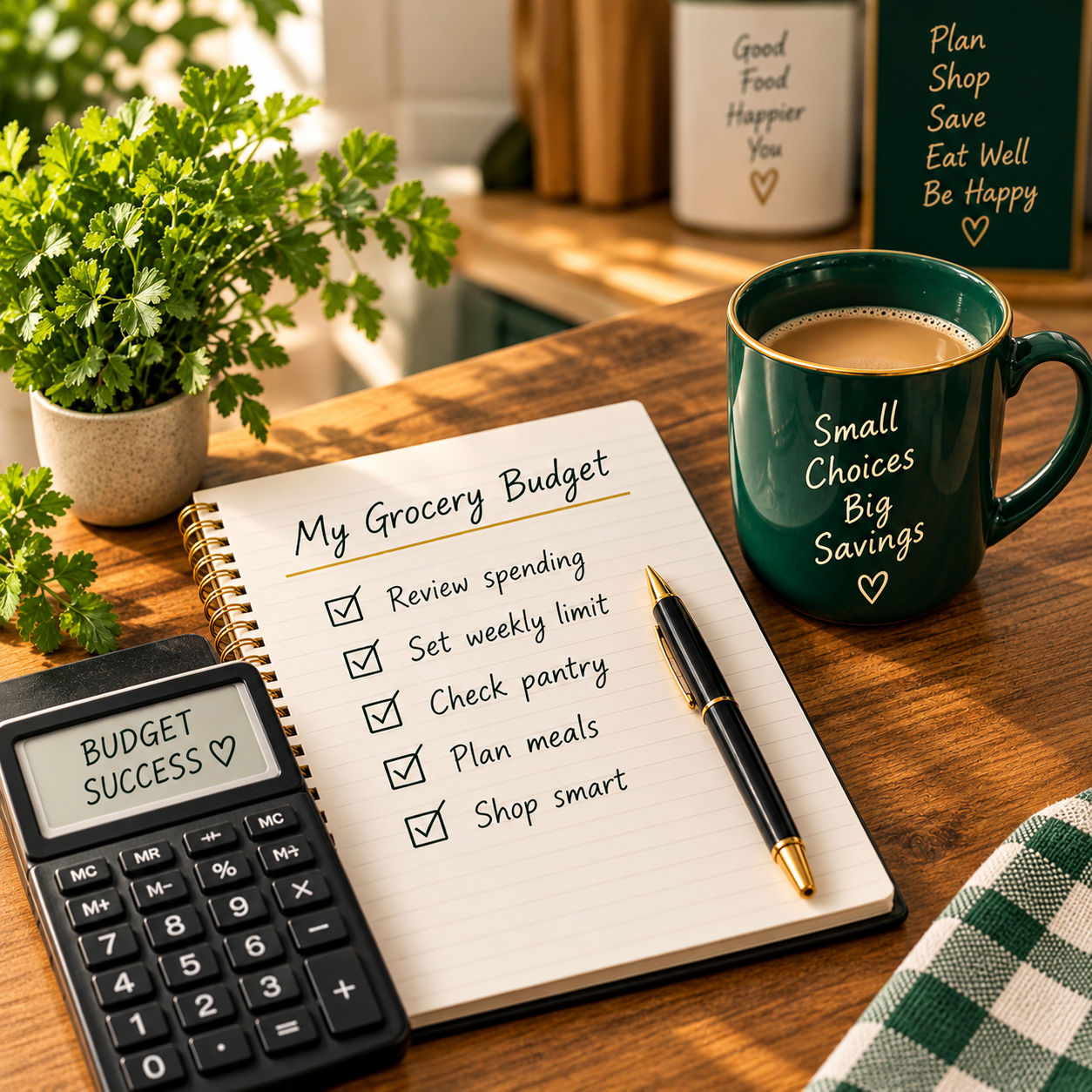
Step 3: Before you make a list, look into your pantry and fridge. Building your list based on what you already have will stop any duplicate purchases and will also cut down the number of items you have to purchase that week.
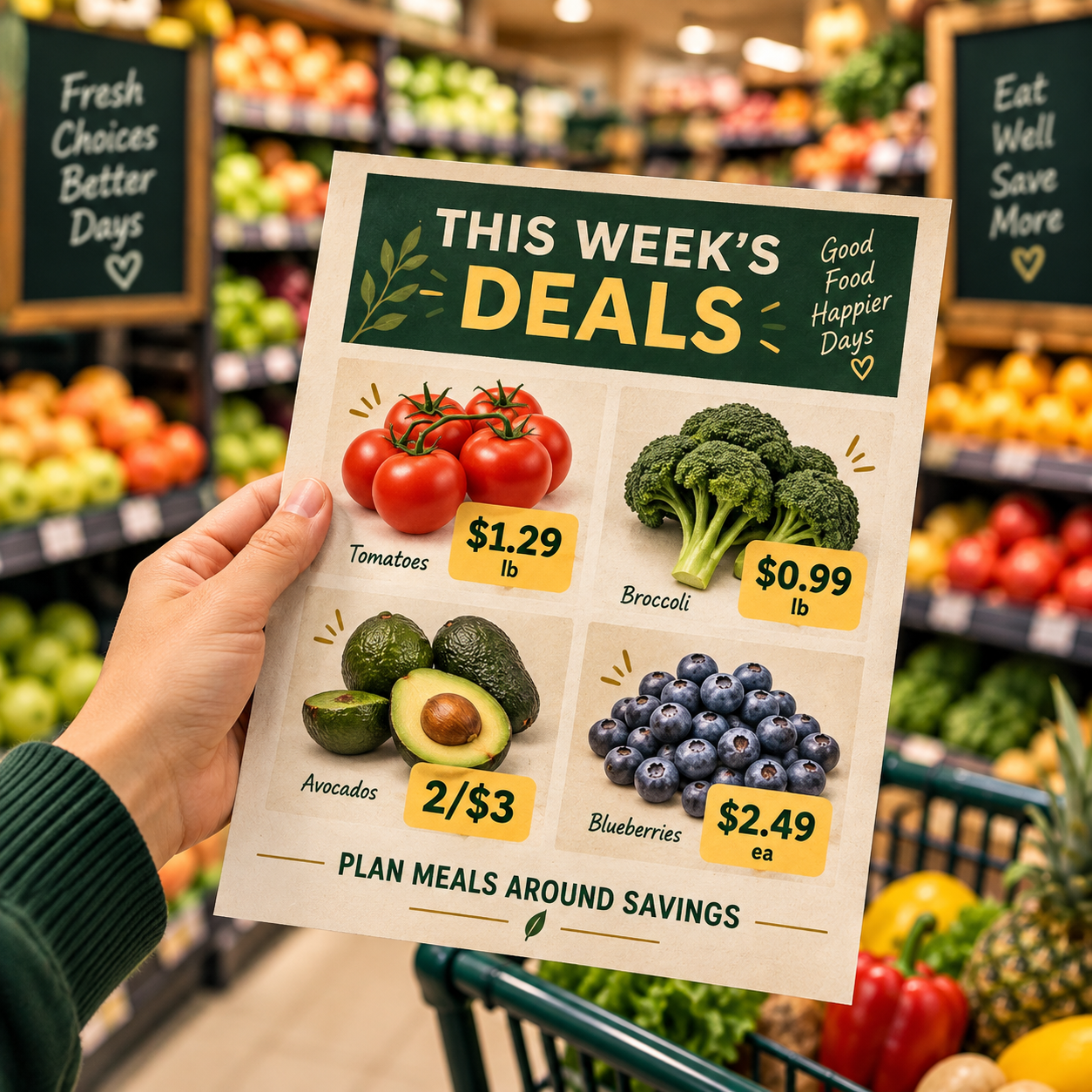
Step 4: Use the food on sale to plan meals, not a list of recipes. Reviewing the sales flyer or app before you make your meal plan is almost always more beneficial than buying from a “recipes to eat” list that was prepared days ahead.
Step 5: When shopping, think in terms of your number, not a list. If you do quick mental math as you shop, or use your phone calculator, you’ll keep track of your running total and not be surprised by the final figure when you get to the checkout.
Step 6: Add to your list pantry staples last. If you are at the end of your shopping list, items such as rice, pasta, and canned goods will be cut first.
What is the proper Amount to Spend on Groceries Each Week?
for weekly grocery shopping on a budget, there is no single right amount to spend. Start with your average grocery bill over the past three months, divided by 4.3, and then add a little extra for price fluctuations. Any real history of your own spending will be more accurate than a generic number from an article.
How To Budget Food Shopping Without Spending Hours Planning
You don’t need a complicated weekly food planning session to learn to budget food shopping. It’s the little things that get done that make the difference.
The most helpful tips for saving money on groceries are:
- Going to the store with a full stomach, as hunger will make you more likely to buy things you don’t need.
- First, sticking to the edges of the store where fresh foods and less processed foods are located, and then moving to the higher priced packaged foods.
- Purchasing generic versions of basic products that are very similar to the name brands but less expensive.
- Doing a small rotation of 2 or 3 go-to meals every few weeks to minimize decision fatigue and unused food items
- Comparing unit prices instead of package prices, as a bigger package may not be the best value.
Does Meal Planning Save So Much Money On Groceries?
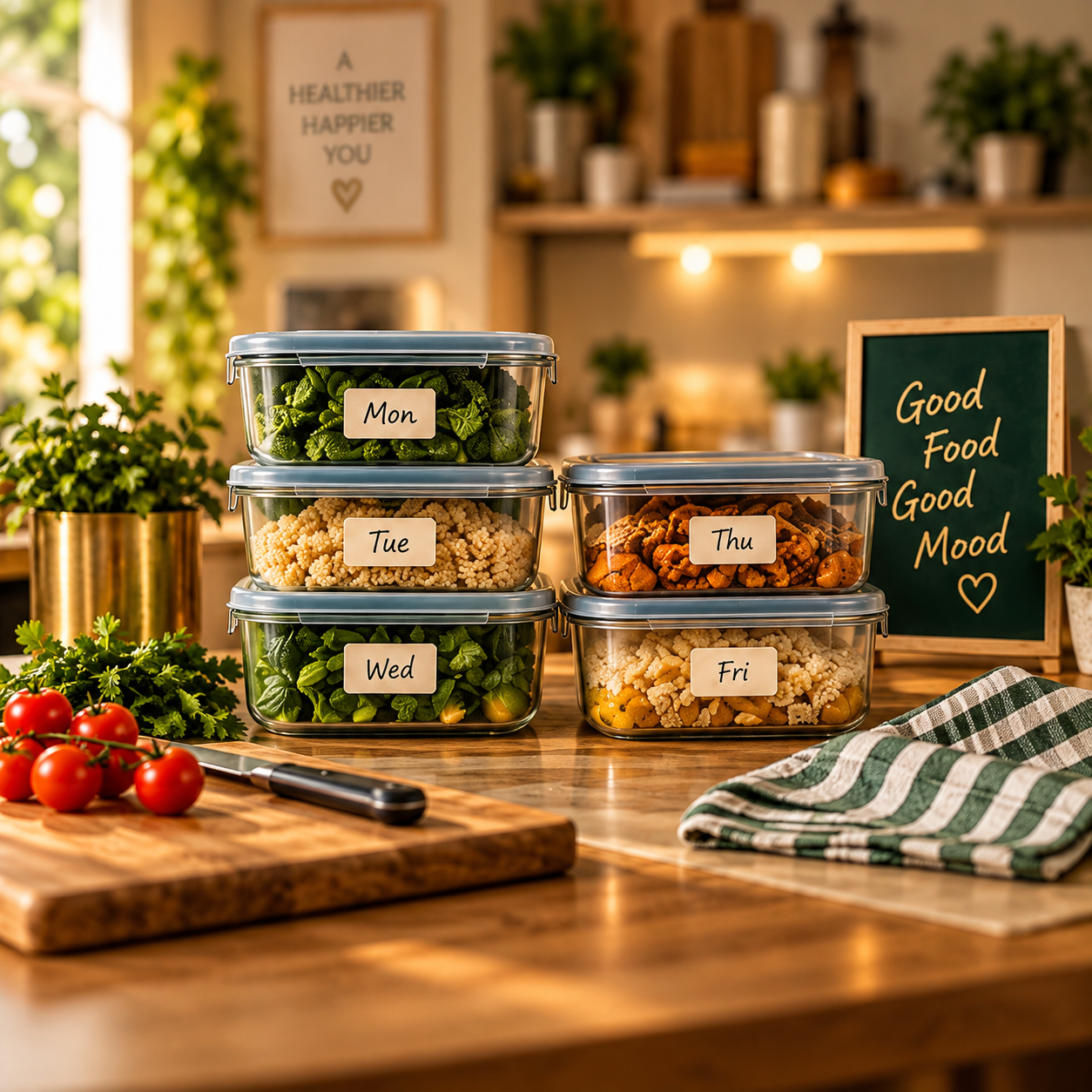
Yes, meal planning can make weekly grocery shopping on a budget much easier because its reduces unnecessary purchases and helps prevent food waste. One of the main reasons people waste food and money on groceries is because they buy ingredients for a recipe they never end up using. Even if it’s just a loose plan, such as three dinners planned ahead, most of the savings will be captured without having to have a week’s worth of dinners planned.
The Comparison of Common Grocery Budgeting Strategies.
| Strategy | How it works | Best For | Effort Level |
| Established a weekly cash budget. | Take out a fixed sum of cash and only spend it. | People who tend to overspend on cards. | Low |
| Plan meals first, then shop! | Make a weekly meal plan and create a list based on the meal plan. | Individuals who wish to decrease food waste. | Medium |
| Sale based shopping | Look at the weekly sale flyer first, then try to plan meals around the discounted items. | Those seeking the highest savings with a certain degree of flexibility. | Medium |
| Purchasing large quantities of essential goods. | Purchase shelf-stable foods in bulk less frequently, and fresh foods weekly. | More space and larger families | Medium |
All of these strategies are not necessarily the best. A lot of people end up doing a sale based approach and then a loose meal plan, as this helps to make the savings and enjoyment of food a balance. The best approach to weekly grocery shopping on a budget is one that fits your spending habits, household needs, and weekly routine.
If you’re looking for a free tool to help you keep track of how you’re spending your grocery money against your weekly number, the free grocery budget calculator from the USDA is a great place to start, as it also includes a reasonable cost estimate based on household size.
Here are some of the most Frequent Grocery Shopping Mistakes that people tend to make when they are on A Budget.
The first error: is to buy things without first checking what is already at home. To fix this, do a quick 2 minute pantry and fridge check before making your list.

The second error: Fixating on recipes rather than what is on sale. To correct this, look at the sale flyer first and then plan meals around the discounted items.
The third error: shopping when you are hungry – and this is a surefire way to make impulse buys. To correct, eat something small before going to the store, even if it’s a snack.
The fourth error: is not considering the unit price and thinking that bigger packages are always cheaper. Correct: Review the per unit cost on the label of the shelf before assuming that the larger option is the cheaper one.
The fifth error: is using one week of overspending as an indicator that the budget as a whole was a failure. The solution is to consider your average spend over the course of an entire month and not just one trip.
FAQ
How can I stay on budget when the prices of groceries fluctuate?
Add a small buffer (about 10%) to the weekly grocery estimate and update the number every few months according to the actual grocery spending over the past few months, not an old estimate. You can also check how grocery prices are expected to change this year before you adjust your budget.
How can I reduce my grocery budget?
For weekly grocery shopping on a budget, two of the most effective habits are planning meals around what is on sale and checking your pantry before heading to the store. these simple steps can reduce impulse buying and food waste.
Which is the better value: weekly or bulk shopping?
This depends on the product, as fresh fruit and dairy products are typically less wasteful and less expensive when purchased on a weekly basis, whereas shelf stable items tend to be more cost effective when bought in bulk.
What is the weekly cost for a family of four to eat?
This is highly dependent on location and dietary habits, but if you look at how much you spend on groceries over the past three months and divide by 4.3, you will come up with a much better number than any one generic estimate.
Is there a difference in the quality of the food when you buy it store brand?
Yes, store brand versions of basic products are typically 10-30% lower in price than name brand products with largely identical ingredients, and it can make a significant difference if you consistently buy store brand for the essentials.
Quick Summary
- Weekly grocery shopping on a budget works best when your spending limit is based on your actual grocery expenses rather than a guess.
- Before you go shopping, look at your pantry and the weekly sale flyer to avoid most unintentional over-purchasing.
- Simple things, such as buying items after meals, and comparing unit prices, can do more than willpower in the store.
- It is a combination of a loose meal plan and sale based shopping that usually makes a balance between saving and enjoying the meals.
- Evaluate your grocery budget for the entire month instead of one big spending week.
For more on making any budget category really last, read our full guide on how to stick to a budget—it goes beyond just the grocery aisle.



Post Comment